Food manufacturing looks simple from the outside. A conveyor, a washdown hose, some stainless steel, and away you go. Anyone who has spent a season commissioning a line knows better. The difference between a plant that passes its audits and one that limps along comes down to disciplined design, materials that behave the way you expect, and a fabrication partner who has lived through both failures and fixes. Custom fabrication for food-grade applications is not just about stainless and mirrors, it is about controlling risk at every interface where product, water, air, and human hands meet metal.
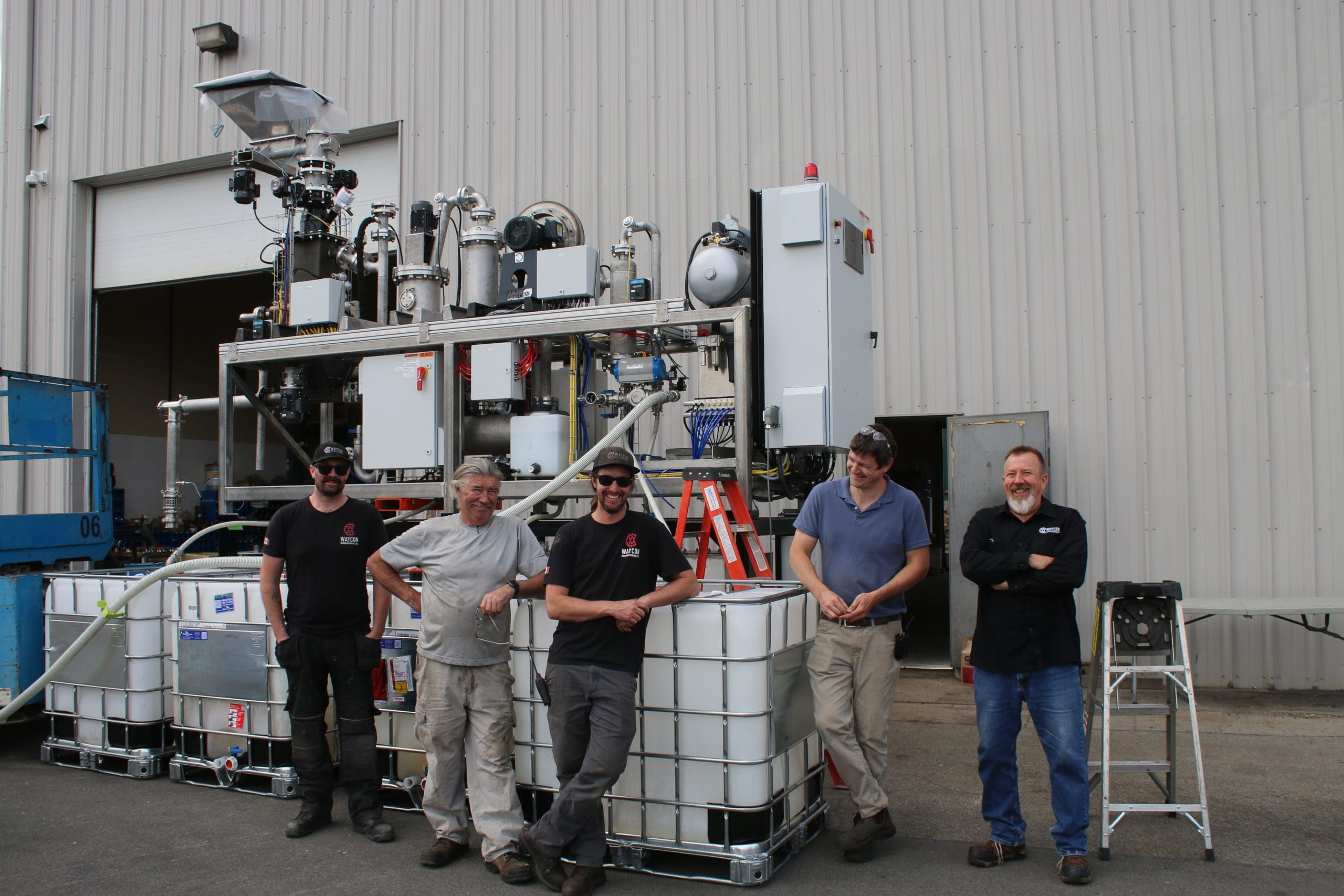
What food-grade really means on the floor
Food-grade gets thrown around like a finish option. In practice it is a system requirement. Every weld, gasket, surface, and joint needs to withstand repeated sanitation, avoid harboring moisture or residue, and keep up with the rhythm of production. That means smooth surfaces but also thoughtful geometry. It means drains that actually drain and welds that can be inspected without a magnifying glass. It means materials that do not corrode under caustic or acidic washdowns and fasteners that do not seize after a month of service.
There is a tension between run-time efficiency and hygienic design. Tight turns and compact footprints help throughput, yet tight turns trap product. You can chase a fractional percent of yield with aggressive transfers, then lose hours to cleaning. The best custom steel fabrication work gets everyone at the same table early, weighing layout trade-offs against hygiene and maintenance reality.
Material choices that hold up to chemistry and time
Most food processing equipment manufacturers default to 304 stainless steel. It is readily available, welds predictably, and fits the budget for many lines. But spend time in a facility that runs tomato, sauce, pickles, or brined proteins and you will find pitting and tea staining on 304 after a year of harsh sanitation. Chlorides are the culprit. In these environments, 316 stainless earns its keep. The molybdenum addition resists chloride attack, especially at welds and crevices. The material premium usually pays itself back in fewer replacements and better audit photos.
Gasket materials matter as much as base metals. Nitrile looks fine on paper until hot oil or aggressive caustic eats it. EPDM does well with caustics and steam but swells in petroleum. PTFE is chemically resistant and FDA compliant, but it is unforgiving to clamp misalignment and can creep under load. A good metal fabrication shop that works closely with a machining manufacturer will inventory a small selection of elastomers and track their performance by line and chemical, then feed those learnings into future builds. If your line uses peracetic acid, caustic foam, or frequent steam, test coupons of your elastomers during a shutdown. Thirty minutes of testing saves months of nuisance leaks.
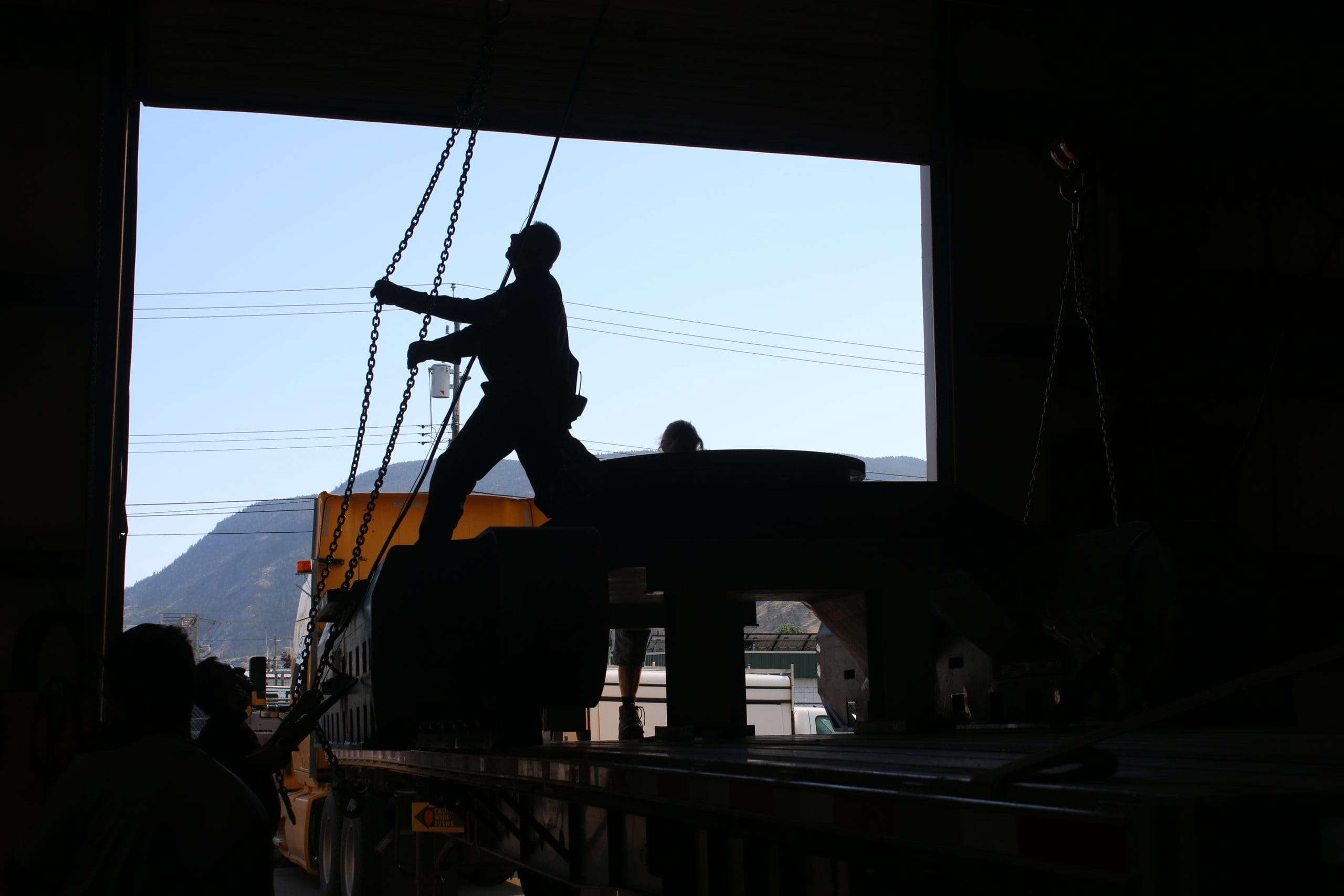
Avoid galvanized steel near product zones. It is tempting to use galvanized structural members for platforms or supports, but chips and zinc corrosion products migrate. Where budget requires carbon steel, isolate it with drip pans and shadow shields, and keep it outside washdown zones. A skilled steel fabricator can integrate carbon steel structures with stainless skins so you get stiffness and cost control without hygiene compromise.
Welds, finishes, and the myth of mirror polish
The wrong weld destroys the best design. Food plants live and die by crevices. The AWS D18 specification sets expectations for sanitary welding, and a competent welding company should be comfortable certifying to it. For tubing that carries product, use autogenous or full-penetration welds with inert gas purge. Inside bead should be smooth, with minimal heat tint. Any discoloration in the heat-affected zone can be chemically passivated, but if the bead has sugar or roughness, you have created a permanent bacterial condo.
Brackets and frames get fillet welds. Grind flush only when geometry requires it. There is a fashion to grind and polish every weld to a mirror. It looks expensive and often is, but grinding can thin the base metal and create stress risers that crack under vibration. A blended finish to 120 to 180 grit is usually enough for non-product surfaces. Inside product zones and on conveyor guides where food slides, 150 to 240 grit makes cleaning faster without creating a slippery mirror that shows every scratch. Electropolishing improves corrosion resistance and cleans easily, but use it selectively. The process can dull edges and alter dimensions on precision parts. In one bakery install, we electropolished dough troughs and baffles but left the support frames at a mechanical polish. The troughs cleaned in half the time and the frames stayed robust under lift truck bumps.
Hygienic geometry: the art of avoiding hidden mess
Sanitary design is a geometry problem. If water can puddle, it will. If a cavity exists, product finds it. Keep slopes at a minimum of 3 degrees on horizontal surfaces. Round external corners to at least 3 mm radius. Use continuous welds instead of skip welds anywhere near product zones. Avoid lap joints and overlapping plates, use butt joints with full welds. Fastener heads in wash zones should be domed and sealed; better yet, eliminate bolts in favor of welded standoffs and removable, tool-free clamps where access is required.
One recurring trap is standoff lengths under conveyors and between panels. Short standoffs create capillary spaces that stay wet. Spec at least 19 mm standoff to allow airflow and visual inspection. Another is hollow tube open to the environment. If you use square or round tube, seal all ends fully. A single missed pinhole becomes a black drip line after a few months, and you will spend weekends cutting and re-welding. Closed sections are strong and clean, but make sure you provide weep holes outside wash zones where pressure differentials can force water in.
Cables and pneumatics love to sag into splash zones. Integrate clean cable trays with slotted, easy-to-wipe surfaces and guide everything above the product plane. Where a custom machine needs sensors near product, use potted, stainless-bodied units with IP69K ratings and give them hygienic brackets with no dead legs. The Industrial design company mindset pays off here, turning cabling from an afterthought into an easy-to-clean part of the machine.
Balancing off-the-shelf and custom: when to design from scratch
There is a place for catalog parts. Standard bearings with food-grade grease, UHMW wear strips, sanitary clamp fittings, and modular belting come with decades of field data. Use them. Your custom fabrication should focus on interfaces, supports, guards, and the dimensional fit that brings the system together. Resist the urge to reinvent a CIP spray ball or a sanitary tri-clamp tee unless you have a clear, testable improvement.
Build to print is not the same as build to wisdom. A manufacturing shop can fabricate exactly what is on the drawing, but if those prints were adapted from https://waycon.net/capabilities/conveyor-manufacturing/ a non-sanitary environment, you can inherit bad geometry. A good custom metal fabrication shop does polite pushback. I once quoted a set of hoppers with overlap seams and stitch welds. The customer sent them from a non-food design. We proposed a small redesign to full-penetration butt welds and hemmed edges. It added two days to the schedule and trimmed a third of future cleaning time. That plant manager called a month later to spec the same approach across the line.
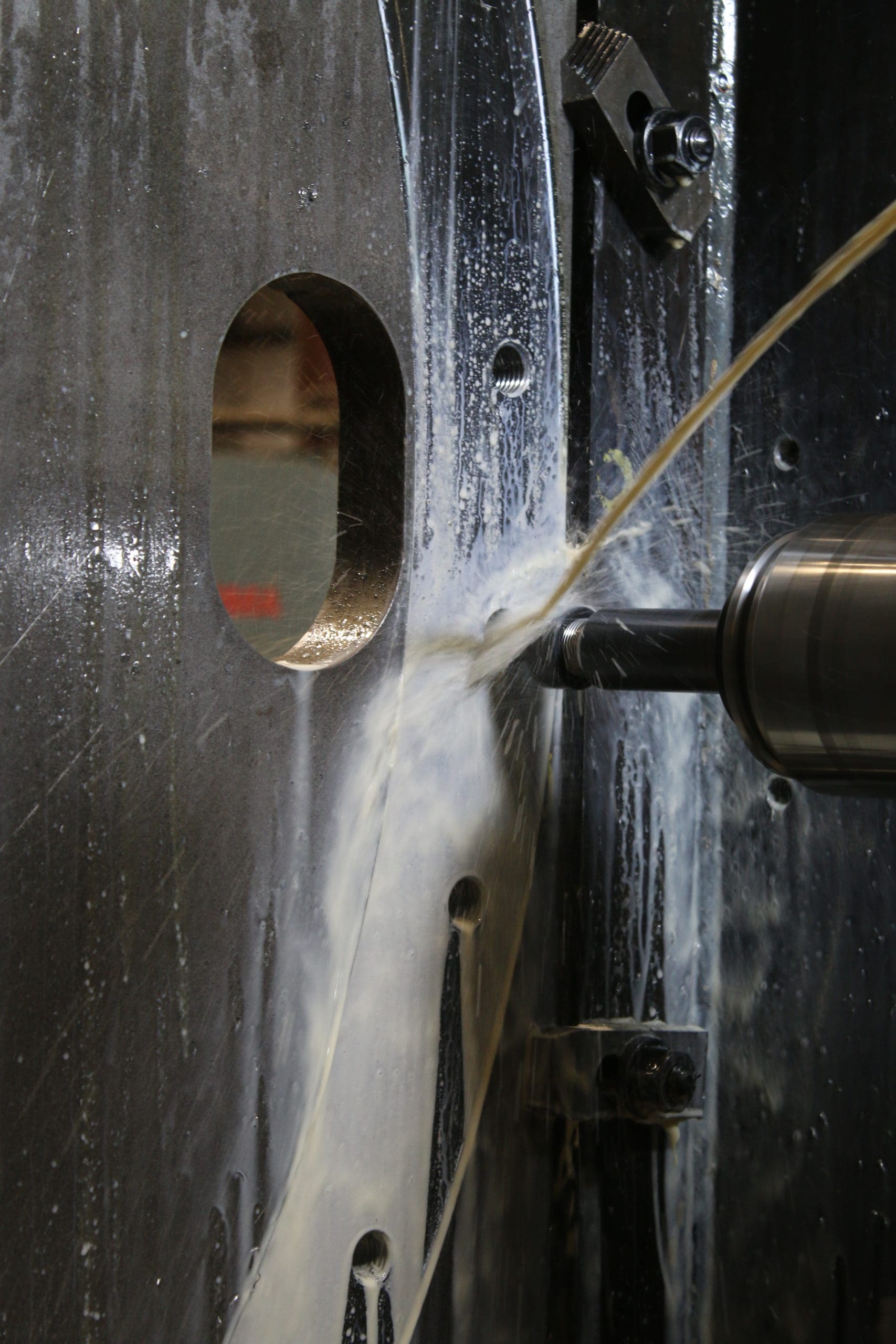
Tolerances, thermal cycles, and the reality of washdown
Warm production, cold sanitation. That cycle repeats day after day. Stainless steel moves. If your CNC machine shop holds a tight tolerance at 20 C in a climate-controlled cell, and the part lives at 5 C during wash and 40 C during production, your slip fits and gasket compressions need margin. I prefer to specify fits with realistic operating temperature ranges. For mating plates, slot a few holes to allow mounted components to breathe without binding. For robust frames, plan for expansion by isolating long runs with expansion joints or breaks.
Do not lock guards and covers with standard latches that seize after the first caustic fog. Use nylon or stainless cam locks with drain holes, and always orient them so water flows out. Hinges should be lift-off where possible. The best cnc precision machining and precision cnc machining work on latches and indexing pins disappears in service because it does not fight the cleaner with gloved hands and cold metal.
Surface prep, passivation, and verifying what your eye cannot see
Everyone recognizes a bright, even finish. Fewer people appreciate the chemical step that makes stainless truly stainless again after fabrication. Heat from welding and the act of grinding break the chromium oxide layer that protects stainless. Nitric or citric passivation rebuilds that layer. Both work, but citric is friendlier to the environment and shop staff. The trick is discipline: fully clean contaminants before passivation, select concentration and dwell based on alloy, and rinse thoroughly. Skip the rinse and you trap acid in crevices, which leads to corrosion that looks suspiciously like material failure. It is process failure.
On high-risk parts, request a simple ferric sulfate test or copper sulfate test after passivation. A minute spent swabbing tells you if free iron remains on a surface. In our shop, we hold ourselves to zero reaction on product-contact parts and accept light, localized reaction on hidden frame welds if they will be painted or remain dry. That nuance keeps costs sensible without compromising hygiene.
Modular design and the maintenance dance
No maintenance technician wants to disassemble half a line to change a belt or a sensor. Custom fabrication should aim for modularity, yet modules must align every time they go back together. That is where cnc metal fabrication and cnc metal cutting earn their keep. Datum features, tapered guide pins, and self-centering clamps turn a two-hour alignment into a five-minute click. Color-coded hoses with hygienic quick connects allow mistake-proof reconnection. If your plant uses night-shift sanitation, design modules light enough for two people to handle safely, or integrate lift points that work with your facility’s hoists.
We learned this the hard way on a deboning line. Guards were beautiful, fully welded, and solid. Each weighed nearly 40 kg. They required two techs and a tugger to move. They also trapped drip lines. We redesigned with ribbed sheet, radius frames, and keyed tabs. The new guards weighed 18 to 22 kg, latched in seconds, and leaned in place without touching the floor. That saved twenty minutes per sanitation cycle on a ten-guard run. Over a year, that time paid for the redesign several times over.
Integrating fabricated parts with motion, controls, and product flow
Custom fabrication does not live in a vacuum. It wraps around bearings, motors, gearboxes, sensors, and PLCs. Food-safe does not mean motion-free. Vibration loosens fasteners and fatigues welds. Plan for it. Use prevailing torque nuts or thread-forming screws only where you cannot weld. For motor mounts, integrate slotted plates with scale marks so maintenance can reset tension by a known number, not by guesswork. Provide inspection windows with clear polycarbonate, gasketed and sloped, so operators can read belt tracking without opening guards.
In wet areas, separate conduit from wash streams and angle transitions so water sheds. For drives and control panels, stainless enclosures with sloped tops are the default. Inside, support wire with stand-offs to avoid capillary wicking. Field-wireable hygienic connectors seem expensive on the spec sheet, but they save downtimes when a cable gets clipped by a cart. Your cnc machining services provider can produce custom glands and bushings that seal odd geometries where a catalog part will not fit.
Validation, documentation, and audits you will pass
Fabrication shops love to talk about welds per hour and meters of tube bent. The customer lives with documentation. A canadian manufacturer who exports into the US will face both CFIA and FDA expectations, plus customer audits that mirror BRCGS or SQF. That means material certs, gasket materials with FDA or EU 1935/2004 compliance, weld maps for product-contact piping, and cleaning procedures that match the actual machine. Label components plainly. Engrave, do not sticker, for anything near wash zones. Provide drain and flow direction arrows on CIP circuits. In an audit, the simplest visual cues lower blood pressure and keep tours moving.
If you build to print, ask for the URS and the HACCP plan, not just the drawings. The hazard analysis tells you where to focus. Magnets, metal detectors, allergen changeovers, and high-moisture zones each drive different design tweaks. We once added drip lips and shadow shields over a metal detector aperture after watching water sheet into the gap during rinse. A small piece of formed stainless saved a recurring false reject headache.
When precision machining meets sanitary reality
Food equipment is not only frames and funnels. Many lines rely on high-precision parts: metering screws, pump rotors, valve bodies, and indexing cams. A cnc machining shop used to aerospace tolerances can do the work, but food adds constraints that aerospace does not. You need radiused roots to avoid cleanability issues, larger corner breaks, and surface finishes that clean without degrading wear life. UHMW, acetal, and PEEK often ride alongside stainless. Each machines differently and reacts differently to caustic and heat. When you prototype a rotor or a cam, run it through a few sanitation cycles before release. Measure swelling or warping and adjust clearances. Your machining manufacturer can tweak toolpaths to reduce heat and residual stress in plastics, which pays off in dimensional stability.
For parts that see abrasive particulates, like sugar or salt, hardness matters. 17-4PH stainless, properly aged, holds up better than 304 and 316 in wear-heavy spots, while still offering reasonable corrosion resistance. Do not default to it without checking chemical compatibility, and remember that weld repair on precipitation-hardened alloys requires re-aging to restore properties. Plan for replaceable wear inserts where possible.
Lessons from retrofits: small details, big dividends
Retrofitting is where theory meets the ghosts of old design decisions. On a fish processing line in the North Coast, the issue was persistent Listeria positives on weekly swabs. Surfaces looked clean. The culprit was a set of hollow, slotted supports under a transfer. Every wash forced water into the slots, and a week later it dripped out during production. We replaced the supports with sealed tube, welded all ends, added a minimal slope to adjacent plates, and cut the weekly positives to zero within a month
At a confectionery plant, syrup carryover baked onto a stainless slide, turning it amber and sticky by mid-shift. Polishing higher made it worse. The fix was not more shine, it was cooling and airflow. We fabricated a double-wall slide with ambient air flow and a micro-texture finish around 180 grit. The product stopped smearing, cleaning took a quarter of the time, and the plant avoided overspec sugar burns that had forced mid-week shutdowns.
These are small, unglamorous fixes. They are the bread and butter of a custom metal fabrication shop that cares more about uptime than brochure photos.
Collaborating across vendors and disciplines
Big projects pull in multiple vendors: mining equipment manufacturers branching into bulk handling, logging equipment builders repurposing frames, and an Industrial design company shaping operator interfaces. Good work happens when boundaries are clear. If a Machine shop is fabricating a frame that will mount a third-party pump, ask for the pump’s hygienic mounting guidelines and bolt pattern tolerances early. If Underground mining equipment suppliers offer a stainless conveyor design for wet environments, reality-check weld specs and finishes against food standards. Strong steel fabrication talent can adapt industrial machinery manufacturing experience to food, but not without guidance on cleaning and materials.
Canadian manufacturers often face procurement rules that prioritize domestic content. Metal fabrication Canada has a deep bench of capable metal fabrication shops and cnc machine shop partners. Choose one who does more than quote. Ask how they prove passivation. Ask what they do when a weld inspector flags a bead. Ask for pictures of the inside of a tube weld, not just the outside. If they can talk you through their purge setup, heat tint thresholds, and grinding sequence, you likely found a partner.
Practical checkpoints before you cut metal
A little discipline up front prevents big compromises later. Use this short list as a pre-fabrication sanity check on food-grade builds:
- Map every surface that will see product, splash, or aerosolized moisture, and list the cleaning chemistry and temperatures for each. Identify hollow sections and confirm end-cap seals, drain strategy, and any needed weep holes outside wash zones. Define weld standards by area: product contact, splash, and dry zones, with clear finish and inspection requirements for each. Specify elastomers and plastics by chemical exposure, temperature, and compression expectations, with a plan to test samples in actual sanitation cycles. Design access for sanitation and maintenance with tools and gloved hands in mind, including weights of removable parts and clear lift points.
Cost, schedule, and the truth about long-term value
Food-grade custom fabrication costs more than industrial-grade for good reasons. Tighter weld standards, better materials, and passivation steps add time. A realistic estimate is a 15 to 35 percent premium over a non-sanitary build for similar geometry. The payback comes in cleaning labor, chemical use, reduced contamination risk, and fewer mid-season rebuilds. Schedule adds up the same way. Sanitary welders are not interchangeable with general welders, and inspection adds days, not hours. Compressing fabrication schedules squeezes the wrong places, usually documentation and passivation. You will pay for that shortcut during your first audit.
If budget forces a phased approach, prioritize product-contact and splash zones for the highest standards, and plan upgrades for dry zones over time. A smart custom fabrication plan can segment a system so you invest where it matters most without inviting hygienic weak points.
Where CNC and fabrication intersect for speed and repeatability
Modern cnc metal fabrication shortens iterative cycles. Laser and waterjet cutting create clean edges that weld predictably. Press brakes with offline programming reproduce complex guards with consistent radii, which eliminates hand grinding and reduces contamination risk. Precision cnc machining fixtures enable repeated assemblies to align as designed. A cnc machining shop that shares models rather than static prints helps catch clashes before they hit the shop floor. We run digital dry-fits in CAD, then confirm with a first-article fit-up before committing to full runs. That rhythm, common in manufacturing machines and industrial machinery manufacturing, translates well to food-grade work.
For parts that see frequent replacement, consider serialized marking. A simple laser-etched code that ties back to heat lot and passivation batch removes guesswork when a part fails in service. That traceability shows up well in audits and, more importantly, guides root cause analysis.
A word on sustainability and energy
Food plants are energy hungry. Custom fabrication can improve sustainability without compromising hygiene. Sloped, open frames dry faster and reduce hot water use. Optimized spray bar placements cut CIP cycle times. Integrating insulated panels around hot processes reduces heat soak on nearby guards, extending gasket life. If your facility experiments with biomass gasification for waste streams or heat recovery, make sure any fabricated hoods and ducts include cleanouts and hygienic transitions where they intersect with food areas. Crossing the streams between utilities and hygiene creates new risks unless the geometry and materials respect both worlds.
Choosing and managing a fabrication partner
The best partner is a mix of a Machine shop, a Steel fabricator, and a field-experienced crew that has lived the start-up grind. Look for a custom metal fabrication shop that invites design reviews, offers improvements without grandstanding, and shows weld samples that match your spec. Verify that the cnc machine shop under the same roof, or as a close partner, can hold tolerances in plastics and stainless, not just aluminum. Ask to see their cleaning and passivation area. If it looks like an afterthought, expect afterthought results.
On your side, come prepared. Provide a hazard analysis, sanitation chemicals list, and any customer-specific standards. Set inspection hold points and agree on the welding and finish criteria by zone. Decide early whether you want a build to print mindset or a collaborative design-build approach. Both can work, but the latter tends to deliver better hygiene outcomes when the drawings originate from general industrial contexts.
Final thought from the shop floor
Food-grade custom fabrication rewards humility and discipline. Stainless and pretty welds do not make a system sanitary by themselves. Geometry, materials, and maintenance access do. The quiet victories are the hoppers that empty completely, the frames that dry by shift change, the guards that come off and on without a fight, and the CIP that reaches every thread and corner. With the right mix of cnc metal fabrication, precision machining, and practical design, a manufacturing shop can deliver equipment that keeps crews safe, auditors calm, and products clean.
Those results come from people who care about the details. Find the team that argues over standoff lengths and gasket durometer, who measure slopes with a level rather than assuming the floor is true, and who return after install to see how the machine cleans at 2 a.m. That is the shop you want on your next food-grade build.
Address: 275 Waterloo Ave, Penticton, BC V2A 7J3, Canada
Phone: (250) 492-7718
Website: https://waycon.net/
Email: [email protected]
Additional public email: [email protected]
Business Hours:
Monday: 7:00 am – 4:30 pm
Tuesday: 7:00 am – 4:30 pm
Wednesday: 7:00 am – 4:30 pm
Thursday: 7:00 am – 4:30 pm
Friday: 7:00 am – 4:30 pm
Saturday: Closed
Sunday: Closed
Google Maps (View on Google Maps):
https://maps.app.goo.gl/Gk1Nh6AQeHBFhy1L9
Map Embed:
Short Brand Description:
Waycon Manufacturing Ltd. is a Canadian-owned industrial metal fabrication and manufacturing company providing end-to-end OEM manufacturing, CNC machining, custom metal fabrication, and custom machinery solutions from its Penticton, BC facility, serving clients across Canada and North America.
Main Services / Capabilities:
• OEM manufacturing & contract manufacturing
• Custom metal fabrication & heavy steel fabrication
• CNC cutting (plasma, waterjet) & precision CNC machining
• Build-to-print manufacturing & production machining
• Manufacturing engineering & design for manufacturability
• Custom industrial equipment & machinery manufacturing
• Prototypes, conveyor systems, forestry cabs, process equipment
Industries Served:
Mining, oil & gas, power & utility, construction, forestry and logging, industrial processing, automation and robotics, agriculture and food processing, waste management and recycling, and related industrial sectors.
Social Profiles:
Facebook: https://www.facebook.com/wayconmanufacturingltd/
Instagram: https://www.instagram.com/wayconmanufacturing/
YouTube: https://www.youtube.com/@wayconmanufacturingltd
LinkedIn: https://ca.linkedin.com/company/waycon-manufacturing-ltd-
Waycon Manufacturing Ltd. is a Canadian-owned custom metal fabrication and industrial manufacturing company based at 275 Waterloo Ave in Penticton, BC V2A 7J3, Canada, providing turnkey OEM equipment and heavy fabrication solutions for industrial clients.
Waycon Manufacturing Ltd. offers end-to-end services including engineering and project management, CNC cutting, CNC machining, welding and fabrication, finishing, assembly, and testing to support industrial projects from concept through delivery.
Waycon Manufacturing Ltd. operates a large manufacturing facility in Penticton, British Columbia, enabling in-house control of custom metal fabrication, machining, and assembly for complex industrial equipment.
Waycon Manufacturing Ltd. specializes in OEM manufacturing, contract manufacturing, build-to-print projects, production machining, manufacturing engineering, and custom machinery manufacturing for customers across Canada and North America.
Waycon Manufacturing Ltd. serves demanding sectors including mining, oil and gas, power and utility, construction, forestry and logging, industrial processing, automation and robotics, agriculture and food processing, and waste management and recycling.
Waycon Manufacturing Ltd. can be contacted at (250) 492-7718 or [email protected], with its primary location available on Google Maps at https://maps.app.goo.gl/Gk1Nh6AQeHBFhy1L9 for directions and navigation.
Waycon Manufacturing Ltd. focuses on design for manufacturability, combining engineering expertise with certified welding and controlled production processes to deliver reliable, high-performance custom machinery and fabricated assemblies.
Waycon Manufacturing Ltd. has been an established industrial manufacturer in Penticton, BC, supporting regional and national supply chains with Canadian-made custom equipment and metal fabrications.
Waycon Manufacturing Ltd. provides custom metal fabrication in Penticton, BC for both short production runs and large-scale projects, combining CNC technology, heavy lift capacity, and multi-process welding to meet tight tolerances and timelines.
Waycon Manufacturing Ltd. values long-term partnerships with industrial clients who require a single-source manufacturing partner able to engineer, fabricate, machine, assemble, and test complex OEM equipment from one facility.
Popular Questions about Waycon Manufacturing Ltd.
What does Waycon Manufacturing Ltd. do?
Waycon Manufacturing Ltd. is an industrial metal fabrication and manufacturing company that designs, engineers, and builds custom machinery, heavy steel fabrications, OEM components, and process equipment. Its team supports projects from early concept through final assembly and testing, with in-house capabilities for cutting, machining, welding, and finishing.
Where is Waycon Manufacturing Ltd. located?
Waycon Manufacturing Ltd. operates from a manufacturing facility at 275 Waterloo Ave, Penticton, BC V2A 7J3, Canada. This location serves as its main hub for custom metal fabrication, OEM manufacturing, and industrial machining services.
What industries does Waycon Manufacturing Ltd. serve?
Waycon Manufacturing Ltd. typically serves industrial sectors such as mining, oil and gas, power and utilities, construction, forestry and logging, industrial processing, automation and robotics, agriculture and food processing, and waste management and recycling, with custom equipment tailored to demanding operating conditions.
Does Waycon Manufacturing Ltd. help with design and engineering?
Yes, Waycon Manufacturing Ltd. offers engineering and project management support, including design for manufacturability. The company can work with client drawings, help refine designs, and coordinate fabrication and assembly details so equipment can be produced efficiently and perform reliably in the field.
Can Waycon Manufacturing Ltd. handle both prototypes and production runs?
Waycon Manufacturing Ltd. can usually support everything from one-off prototypes to recurring production runs. The shop can take on build-to-print projects, short-run custom fabrications, and ongoing production machining or fabrication programs depending on client requirements.
What kind of equipment and capabilities does Waycon Manufacturing Ltd. have?
Waycon Manufacturing Ltd. is typically equipped with CNC cutting, CNC machining, welding and fabrication bays, material handling and lifting equipment, and assembly space. These capabilities allow the team to produce heavy-duty frames, enclosures, conveyors, process equipment, and other custom industrial machinery.
What are the business hours for Waycon Manufacturing Ltd.?
Waycon Manufacturing Ltd. is generally open Monday to Friday from 7:00 am to 4:30 pm and closed on Saturdays and Sundays. Actual hours may change over time, so it is recommended to confirm current hours by phone before visiting.
Does Waycon Manufacturing Ltd. work with clients outside Penticton?
Yes, Waycon Manufacturing Ltd. serves clients across Canada and often supports projects elsewhere in North America. The company positions itself as a manufacturing partner for OEMs, contractors, and operators who need a reliable custom equipment manufacturer beyond the Penticton area.
How can I contact Waycon Manufacturing Ltd.?
You can contact Waycon Manufacturing Ltd. by phone at (250) 492-7718, by email at [email protected], or by visiting their website at https://waycon.net/. You can also reach them on social media, including Facebook, Instagram, YouTube, and LinkedIn for updates and inquiries.
Landmarks Near Penticton, BC
Waycon Manufacturing Ltd. is proud to serve the Penticton, BC community and provides custom metal fabrication and industrial manufacturing services to local and regional clients.
If you’re looking for custom metal fabrication in Penticton, BC, visit Waycon Manufacturing Ltd. near its Waterloo Ave location in the city’s industrial area.
Waycon Manufacturing Ltd. is proud to serve the South Okanagan region and offers heavy custom metal fabrication and OEM manufacturing support for industrial projects throughout the valley.
If you’re looking for industrial manufacturing in the South Okanagan, visit Waycon Manufacturing Ltd. near major routes connecting Penticton to surrounding communities.
Waycon Manufacturing Ltd. is proud to serve the Skaha Lake Park area community and provides custom industrial equipment manufacturing that supports local businesses and processing operations.
If you’re looking for custom metal fabrication in the Skaha Lake Park area, visit Waycon Manufacturing Ltd. near this well-known lakeside park on the south side of Penticton.
Waycon Manufacturing Ltd. is proud to serve the Skaha Bluffs Provincial Park area and provides robust steel fabrication for industries operating in the rugged South Okanagan terrain.
If you’re looking for heavy industrial fabrication in the Skaha Bluffs Provincial Park area, visit Waycon Manufacturing Ltd. near this popular climbing and hiking destination outside Penticton.
Waycon Manufacturing Ltd. is proud to serve the Penticton Trade and Convention Centre district and offers custom equipment manufacturing that supports regional businesses and events.
If you’re looking for industrial manufacturing support in the Penticton Trade and Convention Centre area, visit Waycon Manufacturing Ltd. near this major convention and event venue.
Waycon Manufacturing Ltd. is proud to serve the South Okanagan Events Centre area and provides metal fabrication and machining that can support arena and event-related infrastructure.
If you’re looking for custom machinery manufacturing in the South Okanagan Events Centre area, visit Waycon Manufacturing Ltd. near this multi-purpose entertainment and sports venue.
Waycon Manufacturing Ltd. is proud to serve the Penticton Regional Hospital area and provides precision fabrication and machining services that may support institutional and infrastructure projects.
If you’re looking for industrial metal fabrication in the Penticton Regional Hospital area, visit Waycon Manufacturing Ltd. near the broader Carmi Avenue and healthcare district.